Heat Pump / Air Conditioner (Split System) Installation Cost in New Zealand: A Guide
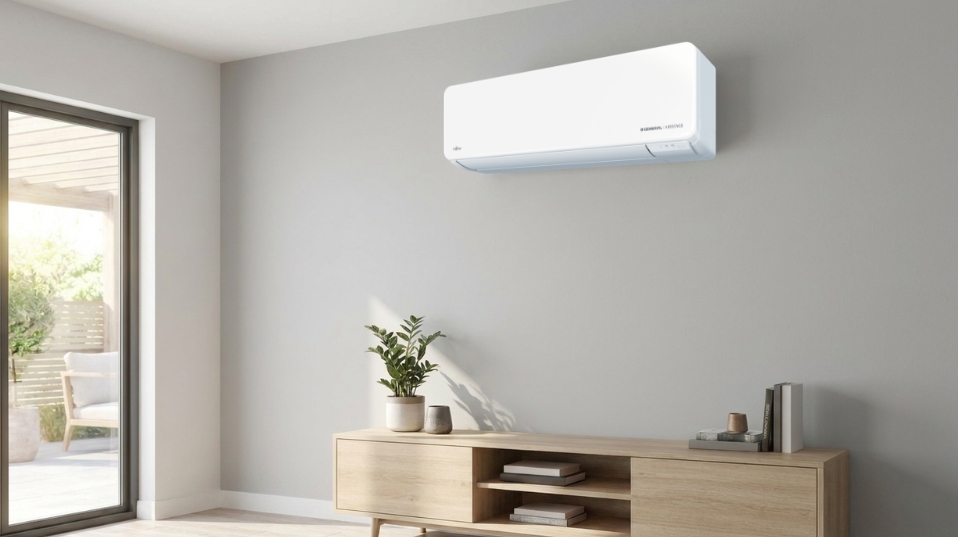
In New Zealand, what many people refer to as a ‘split system air conditioner’ is more commonly called a heat pump. While the terminology differs, they are the same technology, providing both heating and cooling from a single system.
When researching split heat pump / split AC installation costs, you may also notice that pricing can vary significantly. This guide breaks down what split heat pump / air conditioning installation typically costs, what drives that cost up or down and how to choose the right system for your home with confidence. GENERAL (formerly Fujitsu General) have put together a guide to help with identifying what will work for you and your home.
Key Takeaways
Split heat pump / split AC installation cost in NZ typically ranges from $1,500 to $6,000 installed
Costs vary based on unit size, installation complexity, electrical work and drainage requirements
A back-to-back installation is the simplest and most cost-effective option
Government support, like Warmer Kiwi Homes, may help reduce upfront installation costs
What Does a Heat Pump / Air Conditioner (Split System) Installation Cost in New Zealand?
The split heat pump / split AC installation cost in New Zealand typically ranges from $1,500 to $6,000 for the supply and installation of a standard wall-mounted system. The total cost depends on factors such as unit size, brand and installation complexity.
According to Energy Efficiency and Conservation Authority (EECA) guidance, heat pumps / air conditioners are one of the most efficient heating options available, but installation costs can vary based on your home and existing setup.
Labour Only (Installation Without Supply)
If you’ve already purchased a unit, labour-only installation typically costs:
$600 to $2,000+
This covers mounting the indoor and outdoor units, pipework and basic setup. Additional costs may apply for electrical upgrades or complex installations.
Supply and Installation Combined
For a full split heat pump / split AC installation cost (unit + installation), most homeowners can expect to pay:
$1,500 to $6,000+
This is the most common scenario, as installers often supply and install the system together to ensure compatibility and warranty compliance.
It’s also important to note that costs vary across New Zealand. Labour rates in cities like Auckland and Wellington are typically higher than in regional areas, and demand during winter can increase both pricing and wait times.
What Affects the Cost of Installing a Heat Pump / Air Conditioner in NZ?
Understanding what drives your split heat pump / split AC installation cost helps you budget accurately and compare quotes effectively.
Unit Size and Capacity
The size of your heat pump / air conditioner directly affects both purchase and installation costs.
Small bedrooms: 2.5–3.5 kW systems
Medium rooms: 4–6 kW systems
Large open-plan areas: 6–9 kW+ systems
Larger units require more power, heavier components and potentially more complex installation.
To find the right system, see the Air Conditioner Room Size Guide.
Installation Complexity
Installation complexity is one of the biggest variables in cost. Factors that increase labour include:
Long pipe runs between indoor and outdoor units
Solid wall types (e.g. concrete or brick)
Multi-storey homes
Difficult outdoor unit placement
A back-to-back installation (indoor and outdoor units placed on opposite sides of the same wall) is the simplest and most affordable scenario.
To provide an accurate quote, the installer will need to assess your home in person.
Electrical Work
Older New Zealand homes often require additional electrical upgrades, which can increase installation costs.
This may include:
Installing a dedicated circuit
Adding an isolating switch
Upgrading the switchboard
All electrical work must meet NZ safety standards and include a compliance certificate on completion.
Drainage
Heat pumps / air conditioners produce condensation that needs to drain away from the indoor unit.
Most installations use gravity drainage
In apartments or upper-floor rooms, a condensate pump may be required
Drainage pumps add to the total cost of installation, so this should be discussed during the quoting stage.
Brand and Model
The system you choose affects both upfront and long-term costs. Lower-priced units may save money initially but often:
Use more energy
Have shorter lifespans
Offer fewer features
Quality inverter systems, such as those in GENERAL (formerly Fujitsu) Airstage’s residential products range, are designed for New Zealand conditions and provide better long-term value.
Could You Reduce Your Installation Cost?
In New Zealand, some households may be eligible for financial support through the Warmer Kiwi Homes programme, administered by EECA.
This programme can cover:
Up to 90% of the heat pump cost
Capped at $3,450 (including GST)
Eligibility depends on factors such as income and property location.
For eligible homeowners, this can significantly reduce the effective split heat pump / split AC installation cost, making energy efficient heating more accessible.
What Should a Heat Pump / Air Conditioner (Split System) Installation Quote Include?
When comparing quotes, it’s important to understand what’s included in the total cost.
A complete quote should cover:
Unit supply (brand, model and capacity)
Labour for installation
Pipe run length and insulation
Condensate drainage setup
Electrical connection and safety certificate
Wall penetration sealing
System commissioning
Removal of old unit (if applicable)
Installation must be carried out by a licensed refrigeration technician and electrician in New Zealand. Unlicensed work can void the manufacturer’s warranty and may not meet safety regulations.
FAQs
Does installation cost vary across New Zealand?
Yes. Labour rates, installer availability and demand vary by region. Metro areas typically have higher installation costs, while peak winter periods can increase both pricing and lead times.
How long does a heat pump installation take?
A standard back-to-back installation usually takes 4–6 hours. More complex jobs, such as those requiring electrical upgrades or difficult access, can take a full day.
Do I need building consent to install a heat pump / air conditioner in NZ?
In most cases, no building consent is required for a standard heat pump / air conditioner installation. However, exceptions may apply for certain property types or installations, so it’s best to confirm with your installer or local council.
Does the size of the unit affect installation cost?
Yes. Larger systems cost more to install, but correct sizing is more important than choosing the biggest unit available. An appropriately sized system will perform better and run more efficiently.
Learn more in our article: How to calculate the right size heat pump / air conditioner.
Ready to Get a Split System Installed?
Understanding the split heat pump / split AC installation cost is the first step in choosing the right system for your home. By considering factors like system size, installation complexity and long-term efficiency, you can make a more informed decision.
If you’re ready to get started, find a stockist or contact the GENERAL (formerly Fujitsu) Airstage team today for expert advice and a tailored quote.

Helpful Articles
Helpful articles and tips on how to keep your home and office comfortable all year round.