Cost to Run Heat Pumps / Air Conditioners in Winter
Key Takeaways
Heat pumps / air conditioners are one of the most cost-effective ways to heat your home in winter.
Running costs vary, but efficient systems keep energy bills under control.
Split systems suit single rooms. Ducted systems deliver whole-home comfort.
Smart usage, such as steady temperatures, clean filters and good insulation, helps to cut costs.
A simple formula helps you estimate and manage your running costs.
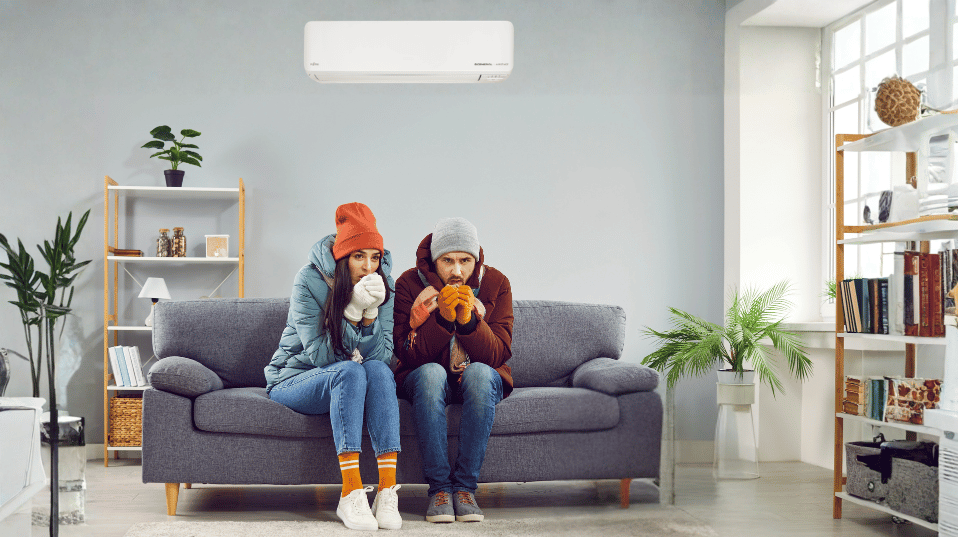
As the temperature drops, running heat pumps / air conditioners for warmth is vital for comfort. For many families, controlling their home heating costs is also important. The cost to run systems in winter is often lower than traditional heating, like gas or electric heaters, especially with energy-efficient models. Still, many homeowners want to know: how much does running a heat pump / air conditioner during the winter really cost?
Let's break down the factors influencing your running expenses and discuss ways to maximise the system's value.
Are Heat Pumps / Air Conditioners Expensive to Run?
Running costs for a heat pump / air conditioner can vary depending on several factors, including system size, how often it’s used, your electricity rates and the temperature you set. However, heat pumps are widely considered one of the most cost-effective ways to heat and cool your home in New Zealand.
For example, a small split system with an input power of around 0.66kW, running for 8 hours a day over 30 days at an electricity rate of $0.30 per kWh, would cost approximately $47–$50 NZD per month.
A larger ducted system, designed to heat or cool an entire home, will naturally use more energy. A system with an input power of around 2.8kW, running under the same conditions, could cost approximately $200 NZD per month. While the running cost is higher, it delivers consistent whole-home comfort from a single system.
To keep running costs as low as possible:
Ensure your home is well-insulated
Choose a system that is correctly sized for your space
Maintain a steady temperature rather than frequently turning the system on and off
With the right setup and usage, heat pumps / air conditioners can provide efficient, affordable comfort year-round.
What Affects Your Heat Pump’s / Air Conditioner’s Energy Consumption Cost in Winter?
There are several factors that ultimately determine how much you'll pay to run your heat pump / air conditioner in colder months:
- Electricity Rates: Local energy prices in your area have a significant impact on heat pump running costs. In general, the cheaper your electricity is, the lower its cost.
- System Efficiency: Newer models will use less power for the same output.
- Running Time: The longer you run your unit, the more it will cost. However, running your heat pump at a moderate temperature usually proves to be more economical than turning it on and running it at maximum capacity.
- House Insulation: A well-insulated home retains heat better, reducing the workload on your heat pump.
- Climate Zone: Colder areas mean more heating, hence more energy consumption.
You can consult Consumer NZ’s Home Heating Costs report for a thorough comparison of heat pump running costs with other heating choices. It breaks out seasonal and average hourly expenses across many systems.
What is the Difference Between Winter and Spring Costs?
Usually, winter brings higher heating costs since your heat pump / air conditioner must work harder to keep you warm against lower outdoor temperatures. You’re likely to run it for longer hours, especially in the early morning and evening. On the other hand, temperatures in spring are usually milder. Less use of your system results in reduced energy consumption and lower electricity bills. In spring and autumn, you can also take advantage of passive heating — the sunshine coming through windows — to help reduce your reliance on heating altogether. Especially if your home has good insulation, you will stay comfortable without the need to run your system continuously.
Most Efficient Way to Run a Heat Pump / Air Conditioner in Winter
These simple guidelines will help you maximise your heat pump's winter performance and lower your energy consumption:
Set your temperature wisely: For the ultimate in comfort and efficiency, aim for 18-21°C (heating) in winter and 23-26°C (cooling) in summer. See more tips on ideal heat pump settings for winter.
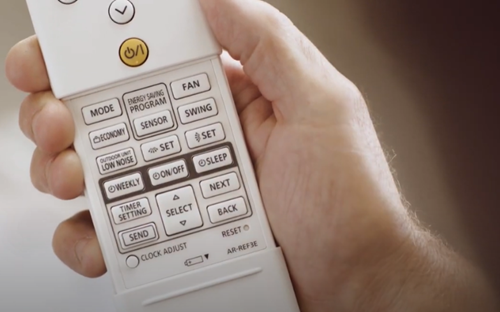
- Use timers: Set it to turn on before you wake up and off when you're out.
- Close windows and doors: To keep warm air from escaping and ease system stress.
- Clean your filters on a regular basis: A clean heat pump / air conditioner heats your home more quickly and efficiently.
- Only heat the spaces you’re using: Use the optional zone control in your ducted system or consider a single room solution.
Ensure your home is well insulated: Good insulation helps retain the warmth your heat pump generates.
- Choose an energy-efficient system: If you’re upgrading or installing a new system, it’s worth noting that newer models are significantly more energy efficient than older units. Advances in inverter technology and system design mean modern heat pumps can deliver the same level of comfort while using less electricity.
To make a more informed decision, check the Zoned Energy Rating Label (ZERL). This label shows how efficiently a heat pump / air conditioner performs across different climate zones, helping you compare systems and choose one that suits your location and energy needs.
Are you looking to reduce your energy bills this winter? Read more on how to reduce heating costs.
How to Prepare for Winter
Getting ahead of the cold is the key to staying warm and comfortable all season long. When the temperature starts to drop, it is the perfect time to get your home and heat pump / air conditioner ready for winter.
Here are a few things to bear in mind:
- Book a seasonal service: Plan a seasonal service to help ensure your heat pump / air conditioner is running effectively. A professional check-up can improve efficiency, reduce energy costs and extend the lifespan of your system. See our end of summer service tips.
- Clean or replace your filters: Dirty filters make your unit work harder. They lower heating performance and increase unit energy consumption.
- Check your insulation and seals: Ensure windows and doors are sealed tightly to stop warm air from leaving
- Plan your heating schedule: You can reduce the cost to run heat pumps in winter by setting your timer and thermostats to help save energy while maintaining comfortable temperatures.
- Make sure your outdoor unit is clear: Remove any leaves, debris or obstructions to maintain free airflow.
How to Calculate Your Heat Pump's Running Cost
You can estimate your heat pump / air conditioner’s running costs using a simple formula:
Input power (kW) × hours per day × days × electricity rate ($/kWh) = total cost
This gives you a clear idea of what your system will cost to run based on your usage and local electricity rates.
Example 1 — Small Split System (Single Room)
Unit: General Airstage split system (0.66kW input)
Usage: 8 hours/day, 30 days
Tariff: $0.30 per kWh (NZD)
Calculation:
0.66 × 8 × 30 × 0.30 = ~$47.50 NZD per month
This is typical for single-room solutions, making split systems a cost-effective option for smaller spaces.
Example 2 — Ducted Whole-Home System
Unit: General Airstage ducted system (2.8kW input)
Usage: 8 hours/day, 30 days
Tariff: $0.30 per kWh (NZD)
Calculation:
2.8 × 8 × 30 × 0.30 = ~$201.60 NZD per month
While the running cost is higher, ducted systems provide consistent whole-home comfort, which can be more efficient than running multiple separate units.
Using this formula allows you to compare different systems and better understand how your usage habits impact your monthly energy costs.
Find the Most Efficient Heating Solution for Your Home
Not sure if your system is winter-ready? Keep your home cosy when it matters most. Book a heat pump service or contact GENERAL (formerly Fujitsu) to find your nearest service agent.

Helpful Articles
Helpful articles and tips on how to keep your home and office comfortable all year round.